Blog / Farmington Ford Service

Ford Brake Warning Signs Farmington Drivers Should Not Ignore

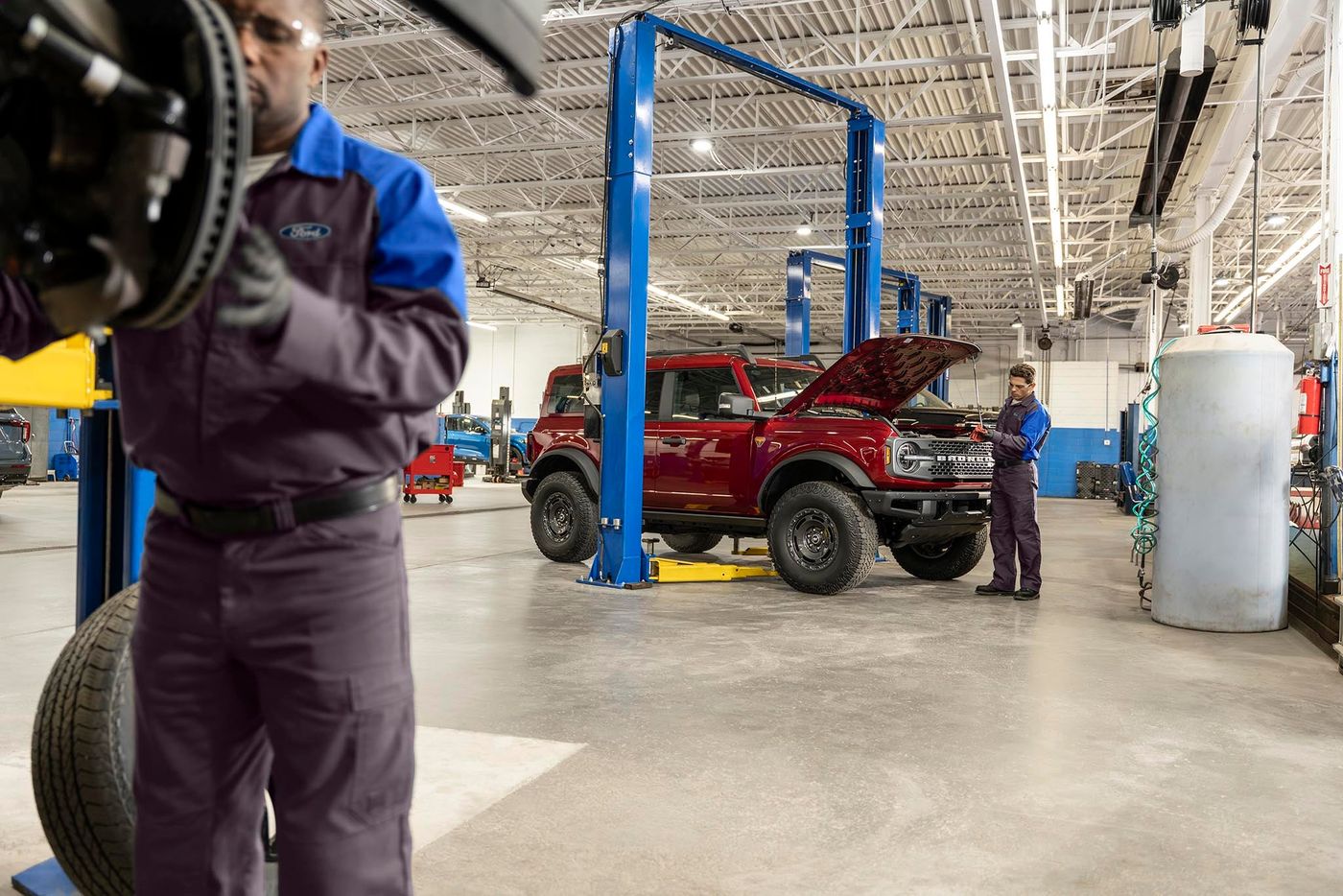
Ford technician holding a brake rotor and hub with a red Ford Bronco on a lift behind, brake service in Farmington MO

Service  |  Farmington, MO

Brakes almost always warn you before they quit. We'll go through what each sign means and why the hills around here wear brakes out faster.

Nobody wants to gamble on brakes. They're still easy to put off, because they wear so slowly you hardly notice. The pedal feels a little different this month. The squeak comes and goes. Before long it's just part of the drive.

Roads around Farmington don't do your brakes any favors. There are long grades on US 67 and the up and down through the Arcadia Valley. Add stop and go traffic on Karsch Boulevard and a trailer headed to the lake, and that's a lot of heat and wear.

Quick answer: Get your Ford's brakes checked if you hear squealing or grinding, feel a pulsing or soft pedal, or it pulls to one side when you stop. A brake warning light means the same thing. Pads go first and rotors last longer, but hills and towing wear both faster. Brake fluid ages too, so follow the interval in your Owner's Manual.

Most common sign

High pitched squeal when braking

Do not wait

Grinding, soft pedal or warning light

Wears faster with

Hills, towing, heavy loads, short trips

What Are the Warning Signs Your Ford Needs Brake Service?

Each symptom points to a different part of the system. Squealing is an early warning. Grinding means damage is already happening. Tell us what you're hearing and feeling and our technicians can track it down faster.

Brake symptoms to take seriously

Squealing or squeaking. Many brake pads have a small metal wear indicator that squeals against the rotor when the pad gets thin. That's an early warning. Book a check before it turns into grinding.

Grinding. A harsh grinding or scraping sound usually means the pad material is gone and metal is contacting the rotor. Drive it as little as you can and get it in soon, because every stop does more damage.

Pulsing pedal or shaking wheel. A pedal that pulses under steady braking, or a steering wheel that shakes, often points to rotors that have worn unevenly.

Soft or spongy pedal. A pedal that sinks lower than normal or feels mushy can mean air or moisture in the fluid, a leak, or another hydraulic problem. Don't wait on this one.

Pulling to one side. If your Ford drifts left or right when you brake, a caliper may be sticking or pads may be wearing unevenly. Tires and alignment can cause a pull too. We'll check all of it.

Brake warning light. A red brake light on the dash can mean low fluid or a system fault. Check that the parking brake is fully released, then have it inspected.

Pay attention to smells, too. A hot, sharp burning smell after a long downhill or a heavy tow just means the brakes worked hard. If you smell it in normal driving, a caliper may be dragging.
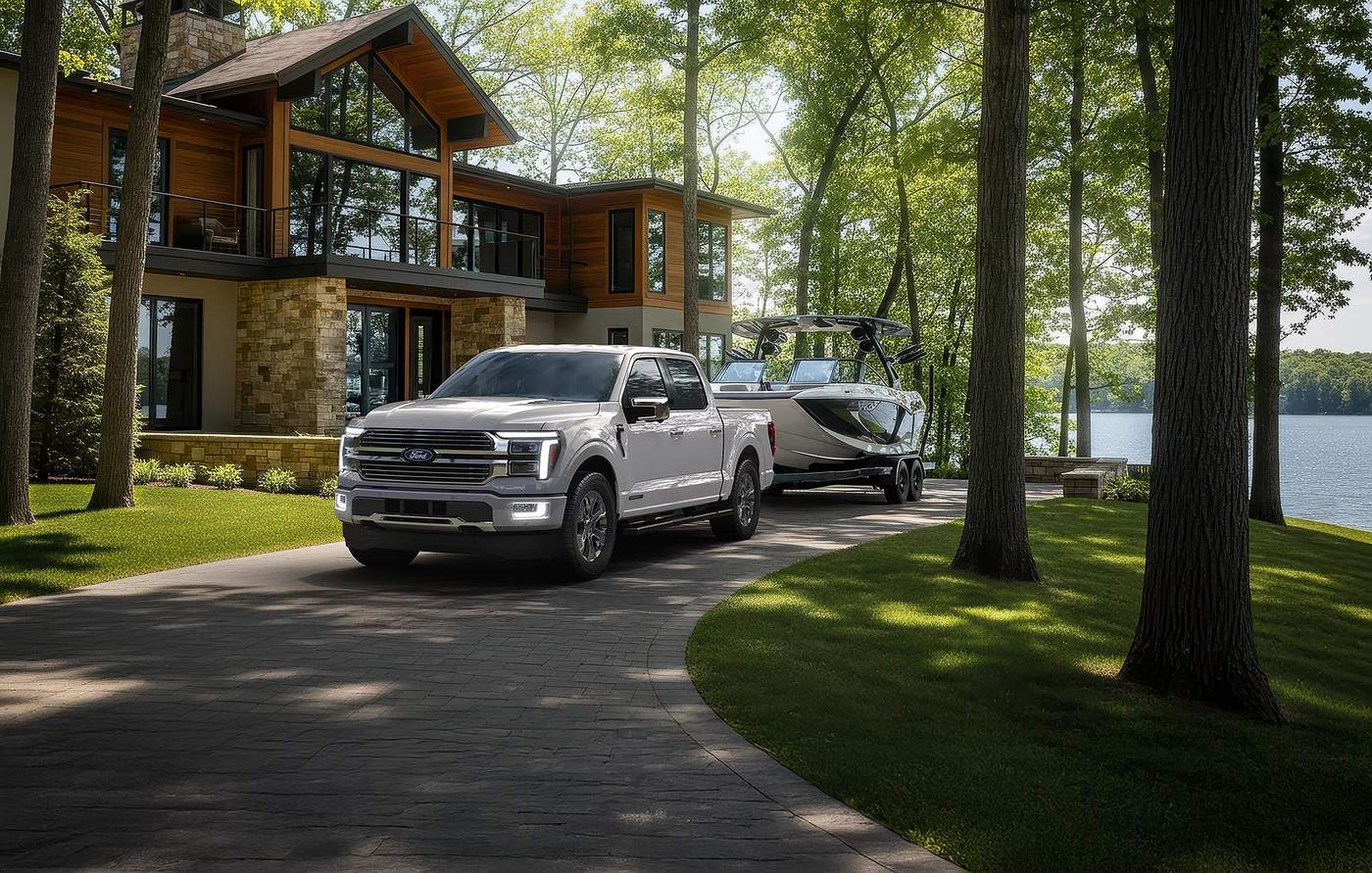
Silver Ford F-150 towing a boat down a wooded lakeside drive, extra braking load for Farmington MO trucks

What Is the Difference Between Brake Pads and Rotors?

When you press the pedal, the caliper squeezes the pads against a metal disc called the rotor, which spins with the wheel. Friction turns your speed into heat and you slow down.

  • Brake pads are the wear item. The friction material is made to wear away, so they get replaced most often.
  • Rotors wear more slowly. Once they get too thin, grooved or uneven, they're replaced along with the pads.
  • Calipers and hardware hold and move the pads. Slide pins and clips need to move freely so the pads apply and release evenly.

How long pads last depends on the vehicle and who's driving it. A Ford Escape running mostly highway miles is a lot easier on pads than a Ford F-150 pulling a stock trailer up and down gravel roads. We measure pad and rotor thickness at inspections and tell you how much is left, so you can plan for it.

Squealing is an early warning. Grinding means damage is already happening.

Why Does Brake Fluid Need to Be Changed?

Brake fluid carries the force from your foot to the calipers. Over time it soaks up moisture from the air. That moisture lowers the fluid's boiling point and can cause corrosion inside the system.

Boiling is the real danger on long downhill runs or heavy tows. Get the fluid hot enough and the pedal can go soft right when you need it. Fresh fluid handles that heat better.

A lot of current Ford maintenance schedules put brake fluid on a time interval, not miles. Your Owner's Manual and the FordPass app have the exact schedule for your model, and we can check the fluid at any visit.

Arcadia Valley tip

MO 21 through the hills around Ironton and Pilot Knob has some long grades, and so does the drive up toward Taum Sauk Mountain, the highest point in Missouri. Use a lower gear on the way down instead of riding the brakes the whole way. Give them a chance to cool off between stops.

How Do Hills and Towing in the Ozark Foothills Affect Your Brakes?

Weight and grade are what make brakes work hardest. A boat headed to Clearwater Lake or a trailer full of hay bales is more mass to stop, and every downhill piles on. The hills between Farmington, Fredericktown and the Arcadia Valley are tougher on brakes than flat country.

1

Use Tow/Haul mode when you have it

Many Ford trucks and SUVs have a Tow/Haul mode that changes shift timing and can help slow the vehicle with the engine on downgrades. Your Owner's Manual explains how it works on your model.

2

Set up the trailer brakes

If your trailer has its own brakes and your Ford has an integrated trailer brake controller, set the gain for the load. That way the trailer helps stop itself instead of shoving your truck.

3

Leave more room

A heavy load takes longer to stop. Back off a little more, especially on wet spring pavement.

4

Check brakes before towing season

Get the brakes looked at in spring, before boat and camper trips start.

Schedule Brake ServiceSee Service Specials
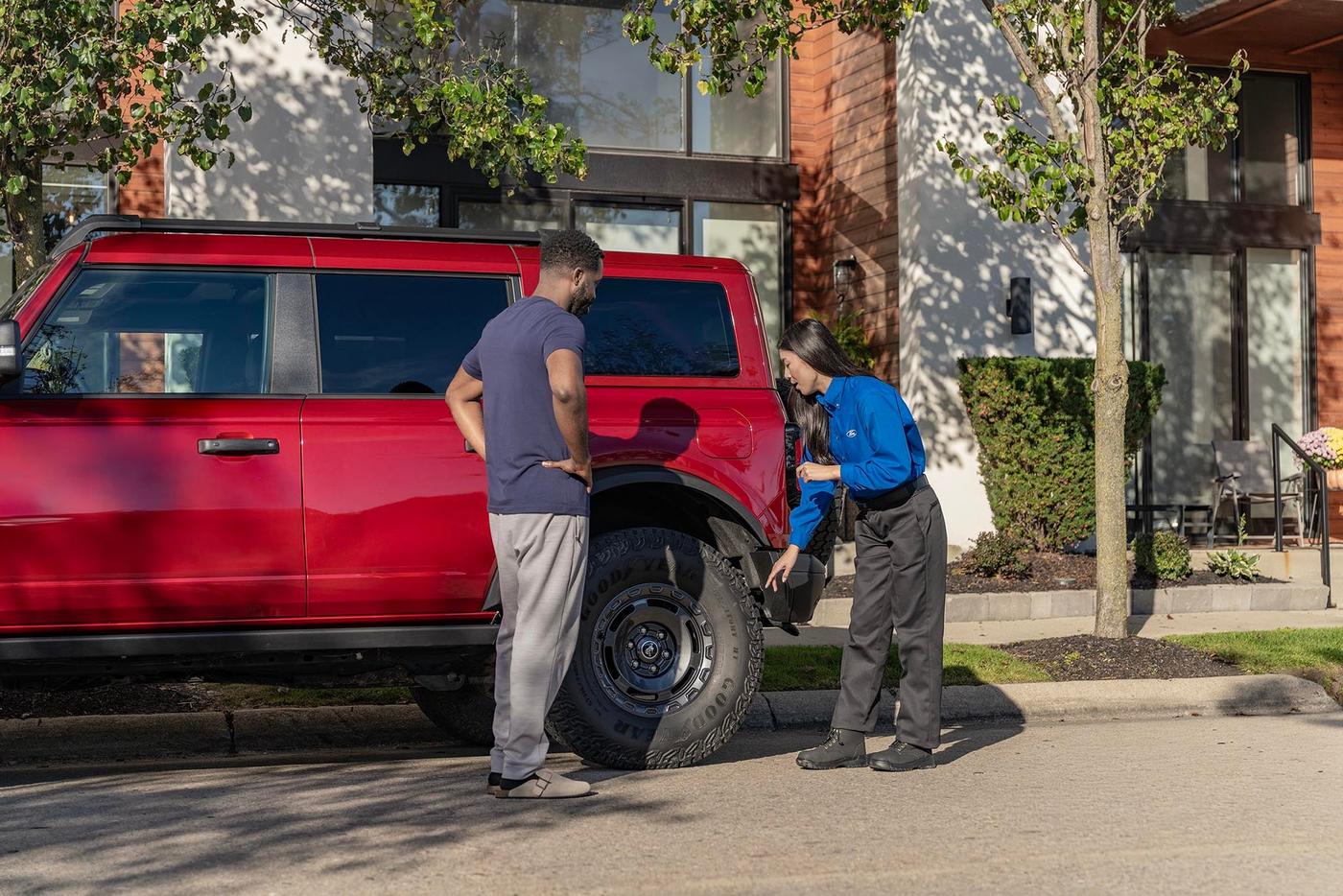
Ford service rep pointing out the front tire of a red Ford Bronco to its owner at the curb, Farmington MO

What Happens During a Ford Brake Service at Sam Scism Ford?

It starts with an inspection. Our Ford trained technicians pull the wheels and measure the pads and rotors. They look over the calipers, hoses and lines and check the fluid. Then we'll tell you straight what it needs now and what can wait.

If it needs parts, we use genuine Ford and Motorcraft brake parts made for your vehicle. You can wait in the lounge, which has Wi-Fi, coffee, popcorn and a kids table, or take the courtesy shuttle. Depending on the work, a loaner may be available.

Some brake work can even come to you. Brakes are on the Ford Mobile Service list, so a technician may be able to do it at your home or work, depending on distance and availability.

Service is open 8:00 AM to 5:00 PM Monday through Friday, closed noon to 1:00 PM. If something has you worried, call 573-430-1693 and we'll help you figure out how soon to come in.

Book it your way

Schedule online, in the FordPass app, or by phone at 573-430-1693. Ask whether Ford Mobile Service can handle your brake work at home or at the office.

Brake Noises and Feel

Why do my Ford's brakes squeak?

A wear indicator on the pads may be telling you they're getting thin. Moisture or dust can cause a brief squeak on a damp morning too, but a squeal that keeps coming back deserves an inspection.

Is it safe to drive with grinding brakes?

Grinding usually means metal is touching metal, which reduces stopping power and damages rotors quickly. Limit driving and get it in as soon as you can.

Why does my brake pedal feel soft?

Air or moisture in the fluid, a leak, or a hydraulic problem can all cause it. Treat a soft pedal as urgent and have it checked right away.

Pads, Rotors and Parts

How long do brake pads last on a Ford?

It depends on the model, the load and how you drive. Towing, hills and lots of stop and go driving wear them faster, so we measure them at each inspection and tell you what is left.

Do I need new rotors every time I replace pads?

Not always. Rotors are replaced when they are too thin, grooved or uneven, and our technicians measure them to decide.

What brake parts does Sam Scism Ford use?

We install genuine Ford and Motorcraft parts made for your vehicle.

Brake Fluid

How often should Ford brake fluid be changed?

Ford lists the interval in the scheduled maintenance section of your Owner's Manual, and it varies by model. Many current schedules measure it in years rather than miles.

What happens if brake fluid gets old?

Moisture builds up, which lowers its boiling point and can cause internal corrosion. On long downhill runs, that can lead to a soft pedal.

Can I just add brake fluid myself?

You can, but a low level usually means worn pads or a leak, and adding more just hides it. Have it inspected instead.

Towing and Local Driving

Does towing wear out brakes faster?

Extra weight means more heat and wear every time you stop. Using Tow/Haul mode and properly adjusted trailer brakes takes some of the load off.

How should I drive down long hills to protect my brakes?

Use a lower gear so the engine helps slow the vehicle, and brake firmly in shorter applications instead of riding the pedal the whole way down.

Why does my truck pull to one side when braking?

A sticking caliper or uneven pad wear are common causes, though tires and alignment can play a part. An inspection sorts out which one it is.

Scheduling Brake Service

How do I schedule brake service in Farmington?

Book on our website, use the FordPass app, or call 573-430-1693. We're at 5019 Flat River Road.

Can Ford Mobile Service do my brakes?

Brakes are on the Ford Mobile Service list, though availability depends on the job, distance and schedule. Call to see what fits.

Are there brake service specials?

Current offers are posted on our Service and Parts Specials page and change during the year.
Order brake parts

Get genuine Ford and Motorcraft brake parts for your vehicle.

Order Parts

Meet the service team

See what the Sam Scism Ford service center handles.

Service Center
Posted in:

Related Posts

Light blue Ford Maverick parked on a small town street in front of a house, Farmington MO

Ford Hybrid Maintenance: What Changes and What Doesn't

Service  |  Farmington, MO A Ford hybrid still has an engine that wants oil, tires that need rotating and brakes that need checking. What changes is how hard some of those parts work, plus a couple of pieces a gas Ford doesn't have. More hybrids roll into our service drive every year. Most are Ford Maverick pickups, along with a good number of F-150 PowerBoost trucks and Ford Escape Hybrid SUVs that have been commuting up US 67 for years. Owners usually start by asking whether a hybrid needs special care. Mostly it doesn't. A few parts behave differently, and knowing which ones keeps you from paying for work you don't need or skipping work you do. Quick answer: A Ford hybrid gets most of the same maintenance as a gas Ford: oil changes when the oil life monitor calls for them, tire rotations, filters, fluids and inspections. Regenerative braking means the brake pads often wear slower, but the brakes still need regular checks for rust, the 12 volt battery still needs testing, and Ford covers hybrid unique components for 8 years or 100,000 miles, whichever comes first. Hybrid parts coverage 8 years or 100,000 miles, per Ford Oil changes Still needed, per the oil life monitor Brakes Regen does much of the slowing In this post What stays the same Regenerative braking and brake wear The 12 volt battery Hybrid battery coverage and cooling How a hybrid visit works Is Maintaining a Ford Hybrid Different From a Gas Ford? Less than people expect. The Ford Maverick Hybrid pairs a 2.5L gas engine with electric motors and a power split electronic CVT. The F-150 PowerBoost pairs a V6 with an electric motor. Either way, there's a regular engine under the hood doing a lot of the work. That engine runs on oil, and the Intelligent Oil Life Monitor still decides when it's due. It may run fewer hours than a gas engine on the same trip, but oil also ages with time, so the once a year minimum still matters for a hybrid that mostly runs errands around Farmington. Same as any Ford: oil and filter, tire rotation, engine and cabin air filters, wipers, lights, fluid checks and a multi point inspection. Different on a hybrid: how the brakes wear, how the 12 volt battery is used, extra cooling for hybrid parts and a longer warranty on the hybrid system. Your Owner's Manual lists the schedule for your exact powertrain, and the Ford app shows reminders tied to your VIN. Why Do Brakes Wear Differently on a Ford Hybrid? When you lift off the gas or press lightly on the pedal, a Ford hybrid uses its electric motor as a generator. That slows the vehicle and puts energy back into the battery. Ford calls it regenerative braking, and it handles a big share of everyday stops. The friction brakes still do the hard stops, but they work a lot less in town. Pads often last longer as a result. The catch is that brakes used gently don't get hot enough to dry out, and moisture can let rust build on rotors, caliper slides and the pads themselves. Pads that look thick can still hide rusty slides on a hybrid that rarely brakes hard. That matters around here. Winter roads in St. Francois County get treated, spring stays wet, and that's how sticky hardware starts. Have the brakes inspected on schedule, not only when they squeal. Hybrid brake systems are also more complex to work on. Some keep the system pressurized and need a specific procedure before anyone touches the pads. That's a job for technicians trained on the system. Pads that look thick can still hide rusty slides on a hybrid that rarely brakes hard. What Does the 12 Volt Battery Do in a Ford Hybrid? A Ford hybrid carries two batteries. The big high voltage pack drives the motors. A regular 12 volt battery powers the computers, lights and accessories, and it's what wakes the system up and connects the high voltage side when you press the start button. So if the 12 volt battery goes flat, the vehicle won't power up, even with a full hybrid battery. Owners are sometimes surprised by that the first time. Short trips, long stretches parked and hot summers all wear on it, the same as in a gas car. Ask for a battery test at oil change visits, and especially before the first cold snap in November. Jump starting procedures differ by model, so check the Owner's Manual before hooking up cables. Do not wait on these Brake warning light or a change in pedal feel. Some variation is normal as regen and friction braking blend, but a warning light or a soft or hard pedal needs a look now. Grinding or pulling to one side. Rust on rotors or a sticking caliper is common on lightly used hybrid brakes. Slow wake up or electrical glitches. A weak 12 volt battery often shows up first as odd electrical behavior. Hybrid system warning messages. Book a scan rather than waiting to see if it clears. How Is a Ford Hybrid Battery Covered and Kept Cool? Ford's warranty treats hybrid parts separately. Hybrid and electric unique components, including the high voltage battery, are covered for 8 years or 100,000 miles, whichever comes first. That runs longer than the 3 year or 36,000 mile New Vehicle Limited Warranty and the 5 year or 60,000 mile powertrain coverage. Your Warranty Guide lists exactly which parts count. Heat is the other thing hybrid parts care about. The battery and the power electronics have their own cooling, and the setup varies by model. Some use a separate coolant loop with its own reservoir. A technician checks it during inspections, and the Owner's Manual lists any service interval. Farmington driver tip August afternoons in Farmington can climb into the 90s, and a Maverick Hybrid towing a small trailer to Big River or Lake Wappapello asks a lot of its cooling. Have coolant levels checked before the trip, and keep the grille and radiator clear of grass and bugs. Schedule Service See Service Specials What Happens When You Bring Your Ford Hybrid to Sam Scism Ford? 1 Book it your way Schedule online, in the Ford app or by calling 573-430-1693. Mention any warning messages or changes in brake feel. 2 Routine service first Oil and filter when due, tire rotation and the multi point inspection, the same as any Ford. 3 Hybrid checks Ford trained technicians check brake condition with an eye for rust, test the 12 volt battery and look over the hybrid cooling system. 4 Clear answers We'll tell you what's due now, what can wait and whether anything falls under Ford's hybrid coverage. Routine jobs like oil changes, tire rotations, battery work and wipers can also come to you. Ford Mobile Service handles those at your home or work, depending on distance and availability. The service desk is open 8:00 AM to 5:00 PM Monday through Friday, closed noon to 1:00 PM. Genuine Ford and Motorcraft parts go into every repair. Book it your way Schedule online, in the Ford app, or by phone at 573-430-1693. For oil changes, batteries and other routine work at your home or office, ask about Ford Mobile Service. Hybrid Basics Does a Ford hybrid still need oil changes? + It does, because the gas engine still uses oil. Follow the Intelligent Oil Life Monitor, and plan on at least one change a year even if you drive little. Is the F-150 PowerBoost serviced like a regular F-150? + Most items match a gas F-150, including oil, filters, tires and inspections. The hybrid system adds checks on cooling, brakes and the 12 volt battery. Where can I find the maintenance schedule for my Ford hybrid? + Your Owner's Manual lists it by powertrain, and the Ford app shows reminders for your VIN. Brakes and Regen Why does my hybrid's brake pedal feel different sometimes? + The system blends regenerative and friction braking, so feel can vary a little from stop to stop. A warning light or a sudden change in the pedal is a reason to come in. Do brake pads last longer on a Ford hybrid? + They often do, since regenerative braking handles much of the slowing. Life still depends on how and where you drive. Can rust affect hybrid brakes? + Light use lets moisture sit, so rotors, pads and caliper slides can corrode. Regular inspections catch it before it causes noise or uneven wear. The 12 Volt Battery Why won't my hybrid start if the big battery is charged? + The 12 volt battery has to wake the computers and connect the hybrid battery first. If it's dead, the system can't power up. Can I jump start a Ford hybrid? + Many can be jumped through the 12 volt system, but the steps vary by model. Follow the Owner's Manual for yours. Can Ford Mobile Service replace my 12 volt battery? + Battery service is on the Ford Mobile Service list, depending on distance and availability. Call 573-430-1693 to check your address. Warranty and Hybrid Battery How long is the Ford hybrid battery warranty? + Ford covers hybrid and electric unique components for 8 years or 100,000 miles, whichever comes first. Check your Warranty Guide for the full parts list. Does the hybrid system need its own coolant service? + Some Ford hybrids have a separate cooling loop for hybrid parts. Your Owner's Manual lists any interval, and we check it during inspections. Does Warranty Forever apply to Ford hybrids? + Warranty Forever covers listed engine, transmission and drive axle parts on vehicles sold with it at Sam Scism Ford, with maintenance and record requirements. Ask us how it works alongside Ford's hybrid coverage. Service at Sam Scism Ford Do your technicians work on Ford hybrids? + Our Ford trained technicians service the Maverick Hybrid, F-150 PowerBoost and Escape Hybrid using genuine Ford and Motorcraft parts. How do I book hybrid service in Farmington? + Use the Schedule Service page, the Ford app or call 573-430-1693. We're at 5019 Flat River Road. Can I wait while my hybrid is serviced? + The lounge has Wi-Fi, coffee and TV, and a courtesy shuttle is available. Loaner cars may be offered depending on the work. Order genuine hybrid parts Get genuine Ford and Motorcraft filters and fluids for your hybrid. Order Parts Meet the service team See what the Sam Scism Ford service center handles. Service Center

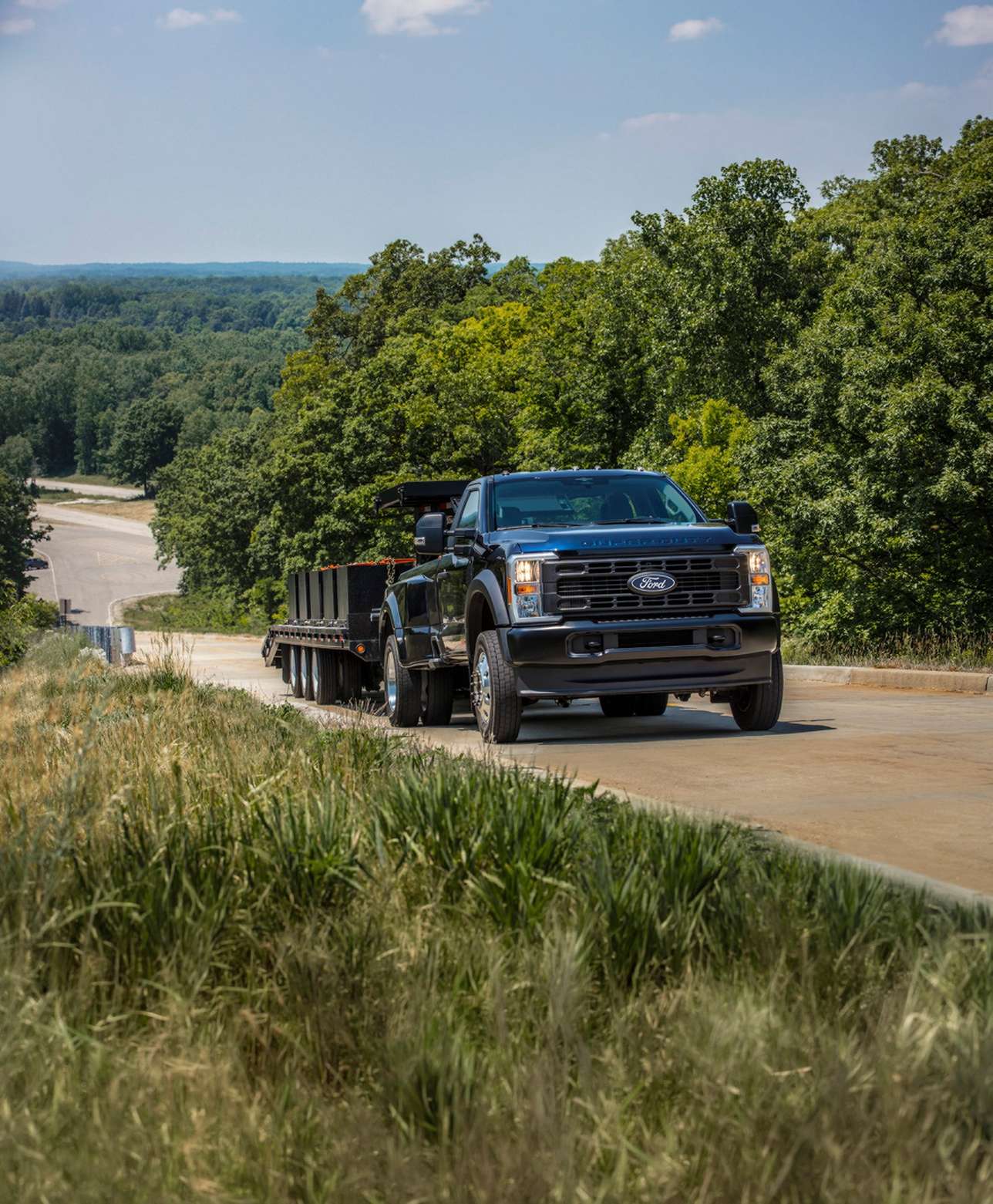
Black Ford Super Duty towing a loaded flatbed trailer up a wooded hill road, diesel work near Farmington MO

Ford Super Duty Power Stroke Diesel Maintenance: A Farmington Owner's Guide

Service  |  Farmington, MO A Power Stroke will pull a gooseneck all day in July heat, but it asks for a few things a gas truck never does. Keep the diesel side of the checklist straight and the truck stays ready to work. Most of the diesel Super Duty trucks we see at Sam Scism Ford earn their keep. They haul hay out past Fredericktown, pull campers down to Clearwater Lake and drag equipment trailers up and down US 67 five days a week. The 6.7L Power Stroke V8 handles that kind of life well. It also comes with a short list of diesel only chores: diesel exhaust fluid, two fuel filters and a water separator, and an exhaust filter that has to clean itself. Skip those and the truck lets you know, usually at a bad time. Quick answer: A Ford Super Duty with the Power Stroke diesel needs DEF kept filled, the fuel water separator drained at every oil change or at least monthly per Ford, fuel filters replaced on the schedule in your Owner's Manual, and oil changed when the oil life monitor calls for it. Ford counts heavy towing, long idling and dusty roads as special operating conditions, so a Super Duty that works hard all summer should be serviced on the tougher schedule. Water separator Drain every oil change or monthly, per Ford Oil changes When the oil life monitor calls for it Tougher schedule Towing, long idling, dusty gravel roads In this post Keeping DEF filled and fresh Fuel filters and the water separator Oil changes and exhaust filter regen Towing in summer heat How a diesel visit works How Should You Handle DEF in a Ford Super Duty? Diesel exhaust fluid is a mix of urea and purified water. It gets sprayed into the exhaust, where it breaks down nitrogen oxides before they leave the tailpipe. It doesn't touch the engine or the fuel, and it goes in its own tank behind the blue cap. How fast you use it depends on how hard the truck works. A Super Duty pulling a loaded trailer burns more diesel and more DEF than one cruising empty. The cluster shows the DEF level and warns you as it drops, and the easy habit is to add some every time you fill up on fuel. Don't let it run dry. On trucks built under the emissions rules of the last several years, an empty DEF tank can put the engine into reduced power. The EPA has been revising how those limits work, but a working truck can't afford to find out on a gravel road with a trailer behind it. Summer is the season people forget about DEF storage. It lasts longest somewhere around 23 to 77 degrees, sealed and out of direct sun. A jug riding in the bed all July or sitting in a hot machine shed loses shelf life fast. Buy it in amounts you'll use, keep the cap tight and use fluid that meets the ISO 22241 standard, which Motorcraft DEF does. Why Do Fuel Filters and the Water Separator Matter on a Power Stroke Diesel? Diesel fuel does more than burn. It lubricates the high pressure fuel pump and the injectors on its way through. Ford's own parts guidance says water or dirt in the fuel can leave those parts under lubricated and lead to pump and injector failure. On a diesel, clean fuel is cheap insurance for the parts that cost the most to replace. That's why a 2017 or newer 6.7L Super Duty filters fuel twice. One filter sits on the engine. The other lives in the fuel conditioning module under the truck, which also holds the water separator. How often should the water separator be drained? Ford recommends draining it at every oil change or at least once a month, and right away if the Water in Fuel warning comes on. Humid Missouri summers and storage tanks at the farm can both put moisture in diesel, so this isn't a step to skip. How often do the fuel filters get replaced? Your Owner's Manual has the interval for your truck and model year. Ford ties it to the special operating conditions schedule when you tow a lot, idle for long stretches or run biodiesel blends, so a hard working truck will come due sooner. We use Motorcraft filters, which Ford builds with a water separating outer wrap. On a diesel, clean fuel is cheap insurance for the parts that cost the most to replace. How Do Oil Changes and Regeneration Work on a Ford Super Duty Diesel? Oil service on the 6.7L Power Stroke is set by the truck. The Intelligent Oil Life Monitor watches load, temperature, idle time and miles, then tells you when it's due. Towing and idling pull that date in, so don't be surprised if a summer of hauling brings the message up early. Use oil that meets the diesel specification in your Owner's Manual. Our technicians use oil that meets that spec with a Motorcraft filter and reset the monitor before the truck leaves. The exhaust filter is the other piece. It traps soot, and the truck burns that soot off on its own in a process called regeneration. Ford's owner information says it works more efficiently at a steady speed above about 30 mph, so regular highway miles help it finish. Trucks that spend most of their life idling at a job site or creeping around a farm have a harder time. Ford has published guidance for those trucks, which can see frequent regen attempts that don't complete and a Drive to Clean message. Many newer Super Duty models also let you start a parked regeneration from the cluster when the truck asks for one. Farmington driver tip If your truck lives on short runs between the house, the barn and town, give it a steady highway stretch every so often. A run up US 67 toward Festus or out MO 32 toward Ste. Genevieve at a constant speed gives a regeneration time to finish. Does Towing in a Missouri Summer Count as Severe Duty for a Ford Super Duty? It does. Ford's special operating conditions list includes extensive towing, long idling, extended low speed driving and dusty or off road use. A Super Duty that pulls a camper on weekends and hauls feed during the week checks most of those boxes, and July heat adds to the load on the cooling system. Before a long tow in hot weather, have the coolant level and condition checked, along with belts, hoses and the radiator and intercooler fins. Dust off county gravel clogs air filters faster than you'd think, and a restricted filter makes the engine work harder when it's already hot. Do not wait on these Water in Fuel warning. Drain the separator right away or bring the truck in. Running water through the fuel system risks the pump and injectors. Low DEF or DEF system messages. Add fluid or book a visit before the truck limits power. Exhaust filter or Drive to Clean messages that keep coming back. Repeated messages after highway driving point to a problem the technician needs to scan. Rising temperature while towing. Ease off, pull over safely if it climbs, and have the cooling system checked before the next trip. Schedule Service See Service Specials What Happens When You Bring Your Ford Super Duty to Sam Scism Ford? 1 Book it and tell us how the truck works Schedule online, in the Ford app or at 573-430-1693. Let us know if you tow, how often it idles and any messages you've seen. 2 Ford trained technicians check the diesel systems Oil and filter when due, the water separator, fuel filters by schedule, DEF level and any stored codes or regeneration history. 3 Multi point inspection Brakes, tires, cooling system, belts, hoses and the air filter all get a look, which matters more on a truck that tows. 4 Plain talk about what's next You'll leave knowing what was done and what's coming due, so you can plan service around harvest or a long trip. Service hours are 8:00 AM to 5:00 PM Monday through Friday, with the desk closed from noon to 1:00 PM. The lounge has Wi-Fi and coffee, and the courtesy shuttle can run you home or to work. Records matter on a diesel. Ford covers the Power Stroke engine for 5 years or 100,000 miles, whichever comes first, and every new Super Duty sold at Sam Scism Ford comes with Warranty Forever, which asks you to keep up the customary maintenance and hold on to the paperwork. Book it your way Schedule online, in the Ford app, or by phone at 573-430-1693. Ask how Warranty Forever covers listed engine, transmission and drive axle parts when you keep up the maintenance. DEF Questions How often do I need to add DEF to my Super Duty? + It depends on how much fuel you burn, so heavy towing uses it faster. Most owners add some at fuel stops and watch the level on the cluster. Can I buy DEF anywhere? + Any DEF that meets the ISO 22241 standard will do, and Motorcraft DEF meets it. Check that the container is sealed and not past its date. Where should I keep spare DEF at home? + Somewhere shaded and fairly cool, sealed, and not in the truck bed through summer. Heat shortens its shelf life. Fuel and Filters What does the Water in Fuel light mean? + The water separator has collected enough water that it needs to be drained. Ford says to drain it right away when that warning shows. How often should the fuel filters be changed on a 6.7L Power Stroke? + Follow the interval in your Owner's Manual for your model year. Towing, long idling and biodiesel use put you on the special operating conditions schedule, which comes due sooner. Why does Sam Scism Ford use Motorcraft fuel filters? + Ford designs them for the Power Stroke, including a water separating wrap and an air bleed feature. Fuel system parts cost too much to gamble on a filter. Oil and Regeneration How often does a Power Stroke diesel need an oil change? + The Intelligent Oil Life Monitor sets it based on how the truck is used. Expect it sooner during a summer of towing or a lot of idle time. Is it bad to let my diesel idle for a long time? + Ford lists extended idling as a special operating condition. Long idle periods also make it harder for the exhaust filter to finish cleaning itself. What should I do when an exhaust filter message comes on? + Follow the message, which often means a steady drive at highway speed or a parked regeneration if your truck offers it. If it keeps returning, book a visit. Towing and Heat Does towing change my Super Duty maintenance schedule? + Heavy or frequent towing moves you to Ford's special operating conditions schedule for many items. Your Owner's Manual shows which ones. What should be checked before a long summer tow? + Coolant, belts, hoses, the air filter, tires and brakes on the truck, plus trailer lights and tires. Book it a few days ahead so there's time to fix anything found. Do gravel roads affect a diesel? + Dusty roads clog the engine air filter faster, and Ford counts dusty driving as a tougher condition. Have the filter checked at each visit. Service and Coverage What factory warranty covers the Power Stroke engine? + Ford's Power Stroke Diesel coverage runs 5 years or 100,000 miles, whichever comes first. Your Warranty Guide lists the covered parts. Does Warranty Forever cover my diesel truck? + Warranty Forever covers listed engine, transmission and drive axle parts on vehicles sold with it at Sam Scism Ford, as long as you follow the customary maintenance and keep records. See the dealer for details. How do I book diesel service in Farmington? + Use the Schedule Service page, the Ford app or call 573-430-1693. The service center is at 5019 Flat River Road. Order diesel filters and fluids Get genuine Ford and Motorcraft filters and fluids for your Super Duty. Order Parts Meet the service team See what the Sam Scism Ford service center handles. Service Center

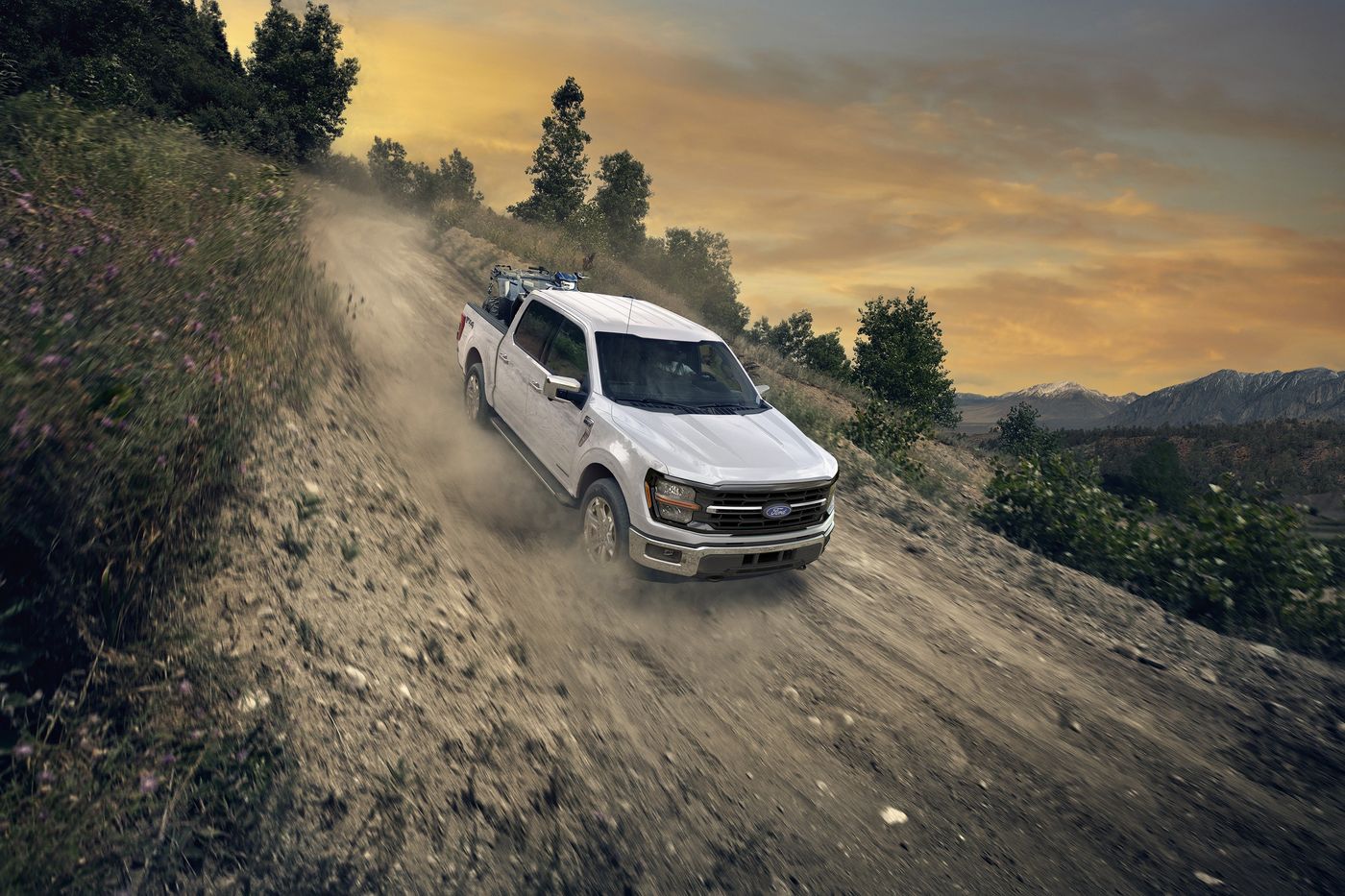
White Ford F-150 with an ATV in the bed kicking up dust on a gravel hill road, Farmington MO

Gravel Road Wear on Your Ford: What Farmington Owners Should Check

Service  |  Farmington, MO Gravel county roads are part of life around Farmington. They are also hard on filters, front end parts, tires and paint, and Ford's own schedule treats them as a tougher kind of driving. If you live off a county road in St. Francois County, you already know the routine. Dust hangs in the air behind every truck in July, and the washboard stretches rattle the change in your cup holder. All of that adds up on a vehicle. Ford's maintenance schedule has a separate section for vehicles driven mainly on unpaved or dusty roads, and plenty of Fords around Farmington, Bonne Terre and Fredericktown fit that description. This post covers what that section asks for and what our technicians look at when a gravel road Ford comes in. Quick answer: Ford's Owner's Manuals list dusty or sandy conditions, meaning mostly unpaved or dusty roads, as a special operating condition. That calls for more frequent cabin and engine air filter checks, regular inspection of wheels and related parts for noise, wear or looseness, more frequent tire rotation and tread checks, and oil changes sooner than the normal schedule. Engine air filter Ford range of 15,000 to 30,000 miles, sooner on dirt roads Cabin air filter Check often and replace as needed on dusty roads Your exact schedule Owner's Manual and the Ford app In this post Why gravel is hard on a Ford Ford's dusty conditions schedule Engine and cabin air filters Suspension, steering and tires Paint and underbody How a visit works Why Are Gravel and Dirt Roads Hard on a Ford? Three things happen on gravel that don't happen on pavement. Fine dust gets pulled into the engine intake and the cabin vents. Loose rock gets thrown up at the paint, the glass and everything underneath. And the constant small hits from washboard and potholes travel up through the tires into the suspension and steering. None of it breaks a Ford in a week. It just wears parts faster than the normal schedule assumes, which is why Ford writes a separate set of recommendations for it. What Does Ford's Dusty Conditions Schedule Call For? In the scheduled maintenance section of your Owner's Manual, Ford lists special operating conditions such as towing, extensive idling and dusty or sandy driving. The dusty or sandy table is meant for vehicles driven mainly on unpaved or dusty roads. In the Ford manuals we've checked, it lists these items: Cabin air filter: inspect frequently and replace as needed. Engine air filter: inspect on a shorter interval and replace as required. Wheels and related components: inspect for abnormal noise, wear, looseness or drag. Tires: rotate, inspect for wear and measure tread depth more often. Engine oil and filter: change sooner than the normal schedule. The exact mileage for each item varies by model and engine, so look up your own vehicle in the Owner's Manual or the Ford app. When you book with us, mention that you drive gravel most days and the advisor will set up the visit around the dusty schedule. None of it breaks a Ford in a week. It just wears parts faster than the normal schedule assumes. How Often Should You Change Air Filters on Gravel Roads? Ford's general guidance for the engine air filter is every 15,000 to 30,000 miles depending on the model. Ford also says to change it sooner if you drive on dirt roads or in very dusty conditions, or any time you see dirt and debris in the filter. On a truck that runs a gravel road twice a day, sooner is the normal case. A clogged engine air filter makes the engine work harder for the air it needs. The cabin air filter is the one you notice yourself. When it fills with dust, the AC and heat push less air, the windows fog more easily, and the cabin smells musty after a rain. Farmington driver tip Have both filters looked at in early summer and again in the fall. July and August on dry county roads load a filter quickly, and fall harvest on the farm roads around Perryville kicks up even more dust. Filters are quick to check during any oil change or multi point inspection, so there is no reason to guess. If you'd rather do it yourself, our parts department can get the right genuine Ford or Motorcraft filter for your VIN through Order Parts. What Suspension, Steering and Tire Checks Matter Most? Washboard gravel shakes the front end thousands of times a mile. Over time that shows up in ball joints, tie rod ends, wheel bearings, shocks and the rubber boots that keep dirt out of joints. That is why Ford's dusty table calls for checking wheels and related components for noise, wear, looseness and drag. Tires take the first hit. Sharp, broken gravel can cut tread and sidewalls, and a rock wedged in the tread can work its way in. Rotating on the dusty schedule keeps wear even, and a technician measuring tread depth will spot a cut before it becomes a flat on MO 32. Do not wait on these Clunks over bumps. A knock or clunk from the front end on rough roads can point to worn ball joints, tie rod ends or sway bar links. Have it inspected soon. Steering wander or a loose feel. If the wheel feels vague or the truck drifts on a straight road, worn steering parts may be the cause, and that affects control. Humming that changes with speed. A growl or hum that gets louder as you speed up can be a wheel bearing on its way out. Cut or bulging sidewall. A sidewall bulge or deep cut means the tire can fail suddenly. Switch to the spare and get it replaced. Schedule Service See Service Specials How Do You Protect Paint and the Underbody From Gravel? Rock chips are part of the deal on gravel, but you can keep them from turning into rust. Touch up chips on the hood, rocker panels and behind the wheels before moisture gets under the paint. Keeping some distance from the truck ahead cuts down on thrown rocks more than anything else you can do. Underneath, dust and mud pack into frame rails, around brake lines and around the fuel tank shield. Mud holds moisture against metal. A rinse of the underbody and wheel wells every few weeks in summer, and after any muddy stretch, keeps it from building up. In winter the same rinse washes off road treatment. When your Ford is on the lift for service, ask the technician to take a look underneath for packed mud, damaged shields or a brake line that took a rock. It takes a couple of minutes and catches problems you'd never see from the driveway. What Happens When You Bring a Gravel Road Ford to Sam Scism Ford? Tell the advisor how you drive. A truck that sees gravel every day gets a different conversation than one that lives on US 67. Our Ford trained technicians check the filters, rotate the tires, look over the suspension and steering, and give you a straight rundown of what is worn and what can wait. Service hours are Monday through Friday, 8:00 AM to 5:00 PM, closed noon to 1:00 PM. The lounge has Wi-Fi and coffee, there's a courtesy shuttle, and loaner cars may be available depending on the work. Keep your receipts, because records of the customary maintenance are what keep Warranty Forever in force on vehicles that have it. Book it your way Schedule online, in the Ford app, or by phone at 573-430-1693. For filters, fluids and tire rotations, ask whether Ford Mobile Service can come to you. Ford's Dusty Conditions Schedule Does driving on gravel roads count as severe service for a Ford? + Ford lists dusty or sandy conditions as a special operating condition for vehicles driven mainly on unpaved or dusty roads. That table calls for more frequent filter, tire, wheel and oil service than the normal schedule. Where do I find the dusty conditions schedule for my Ford? + It is in the scheduled maintenance section of your Owner's Manual under special operating conditions. The Ford app also shows maintenance reminders for your vehicle. Should I change my oil more often on dirt roads? + Ford's dusty conditions table calls for oil and filter changes sooner than the normal interval. Your manual gives the exact mileage for your engine. Air and Cabin Filters How often should I replace my Ford engine air filter? + Ford's general range is every 15,000 to 30,000 miles depending on the model. Change it sooner if you drive dirt roads or see dirt and debris in the filter. What are the signs of a dirty cabin air filter? + Weak airflow from the vents, windows that fog easily and a musty smell when the AC first comes on are the usual clues. Can I replace my own Ford air filters? + On many Fords the engine and cabin filters are owner serviceable, and the steps are in your manual. Our parts department can match the right filter to your VIN. Suspension, Steering and Tires What front end parts wear faster on gravel? + Ball joints, tie rod ends, wheel bearings, shocks and the rubber boots that protect joints all take extra punishment from washboard roads. How often should tires be rotated on a gravel road Ford? + Ford's dusty table calls for more frequent rotation along with tread depth checks. Follow the mileage in your manual or let us set it up at each visit. Is a clunk over bumps something to worry about? + A front end clunk often points to worn suspension or steering parts. Get it inspected soon, since those parts affect how the vehicle steers and stops. Paint and Underbody How do I keep rock chips from rusting? + Touch up chips before moisture gets under the paint, and focus on the hood, rockers and the areas behind the wheels. Should I wash the underside of my truck? + Rinsing the underbody and wheel wells every few weeks in summer and after muddy drives keeps packed mud from holding moisture against metal. Can you check the underbody during service? + Ask while your Ford is on the lift and the technician can look for packed mud, damaged shields or a brake line that took a hit. Scheduling and Coverage How do I book service at Sam Scism Ford? + Schedule online, in the Ford app, or call 573-430-1693. We are at 5019 Flat River Road in Farmington. Can Ford Mobile Service change filters at my house? + Ford Mobile Service lists fluids and filters, tire rotations and diagnostic scans among its jobs, depending on distance and availability. Call the service desk to see what fits your address. Does gravel road driving affect Warranty Forever? + Warranty Forever asks you to follow the customary maintenance in your agreement and keep records. Driving gravel makes on time service even more important, so keep every receipt. Filters for gravel roads Order genuine Ford and Motorcraft engine and cabin air filters. Order Parts Meet the service team See what the Sam Scism Ford service center handles. Service Center