
Service | Farmington, MO
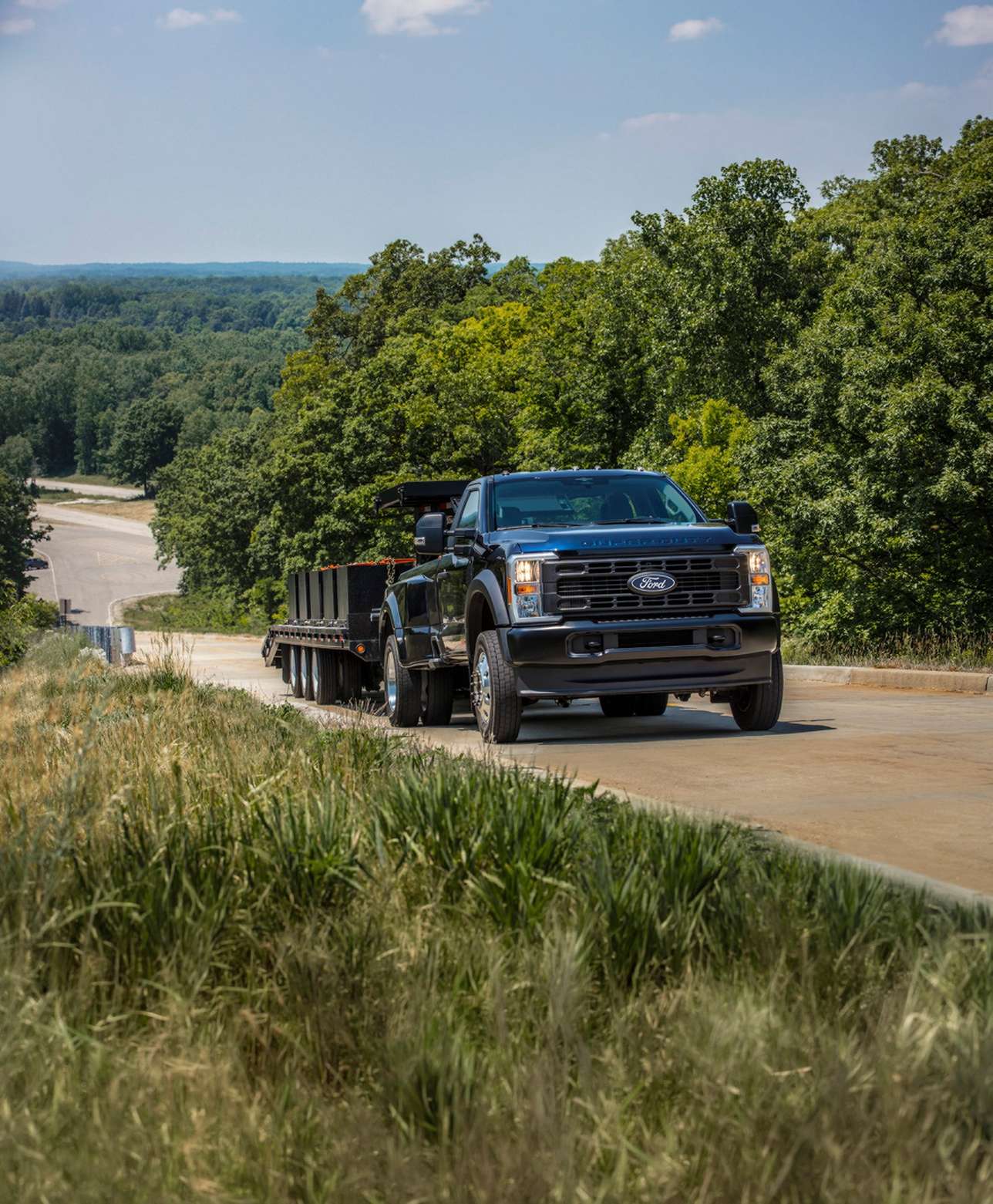
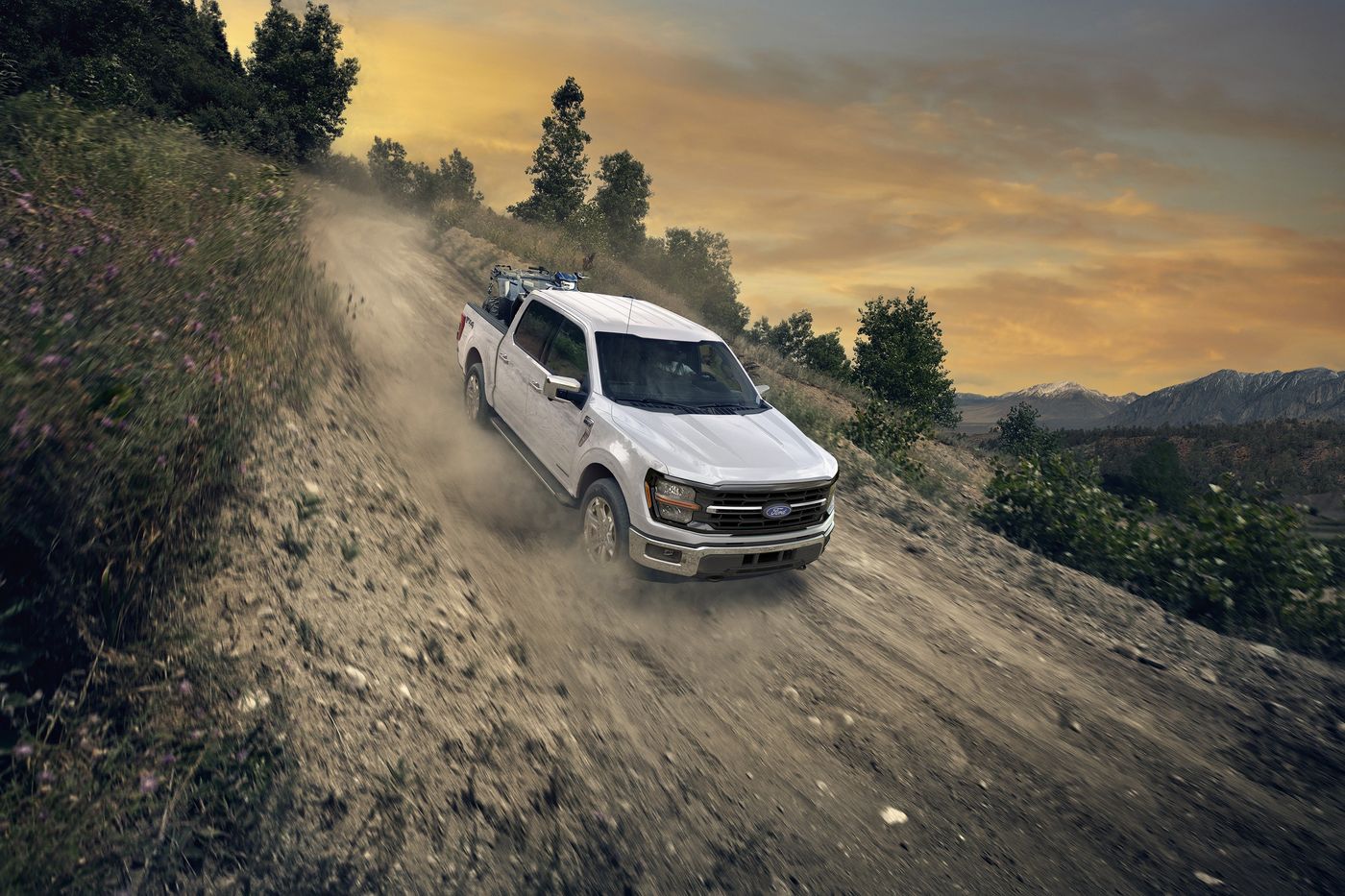
Gravel county roads are part of life around Farmington. They are also hard on filters, front end parts, tires and paint, and Ford's own schedule treats them as a tougher kind of driving.
If you live off a county road in St. Francois County, you already know the routine. Dust hangs in the air behind every truck in July, and the washboard stretches rattle the change in your cup holder.
All of that adds up on a vehicle. Ford's maintenance schedule has a separate section for vehicles driven mainly on unpaved or dusty roads, and plenty of Fords around Farmington, Bonne Terre and Fredericktown fit that description. This post covers what that section asks for and what our technicians look at when a gravel road Ford comes in.
Quick answer: Ford's Owner's Manuals list dusty or sandy conditions, meaning mostly unpaved or dusty roads, as a special operating condition. That calls for more frequent cabin and engine air filter checks, regular inspection of wheels and related parts for noise, wear or looseness, more frequent tire rotation and tread checks, and oil changes sooner than the normal schedule.
Engine air filter
Ford range of 15,000 to 30,000 miles, sooner on dirt roads
Cabin air filter
Check often and replace as needed on dusty roads
Your exact schedule
Owner's Manual and the Ford app
In this post
Why Are Gravel and Dirt Roads Hard on a Ford?
Three things happen on gravel that don't happen on pavement. Fine dust gets pulled into the engine intake and the cabin vents. Loose rock gets thrown up at the paint, the glass and everything underneath. And the constant small hits from washboard and potholes travel up through the tires into the suspension and steering.
None of it breaks a Ford in a week. It just wears parts faster than the normal schedule assumes, which is why Ford writes a separate set of recommendations for it.
What Does Ford's Dusty Conditions Schedule Call For?
In the scheduled maintenance section of your Owner's Manual, Ford lists special operating conditions such as towing, extensive idling and dusty or sandy driving. The dusty or sandy table is meant for vehicles driven mainly on unpaved or dusty roads. In the Ford manuals we've checked, it lists these items:
- Cabin air filter: inspect frequently and replace as needed.
- Engine air filter: inspect on a shorter interval and replace as required.
- Wheels and related components: inspect for abnormal noise, wear, looseness or drag.
- Tires: rotate, inspect for wear and measure tread depth more often.
- Engine oil and filter: change sooner than the normal schedule.
The exact mileage for each item varies by model and engine, so look up your own vehicle in the Owner's Manual or the Ford app. When you book with us, mention that you drive gravel most days and the advisor will set up the visit around the dusty schedule.
None of it breaks a Ford in a week. It just wears parts faster than the normal schedule assumes.
How Often Should You Change Air Filters on Gravel Roads?
Ford's general guidance for the engine air filter is every 15,000 to 30,000 miles depending on the model. Ford also says to change it sooner if you drive on dirt roads or in very dusty conditions, or any time you see dirt and debris in the filter. On a truck that runs a gravel road twice a day, sooner is the normal case.
A clogged engine air filter makes the engine work harder for the air it needs. The cabin air filter is the one you notice yourself. When it fills with dust, the AC and heat push less air, the windows fog more easily, and the cabin smells musty after a rain.
Farmington driver tip
Have both filters looked at in early summer and again in the fall. July and August on dry county roads load a filter quickly, and fall harvest on the farm roads around Perryville kicks up even more dust.
Filters are quick to check during any oil change or multi point inspection, so there is no reason to guess. If you'd rather do it yourself, our parts department can get the right genuine Ford or Motorcraft filter for your VIN through Order Parts.
What Suspension, Steering and Tire Checks Matter Most?
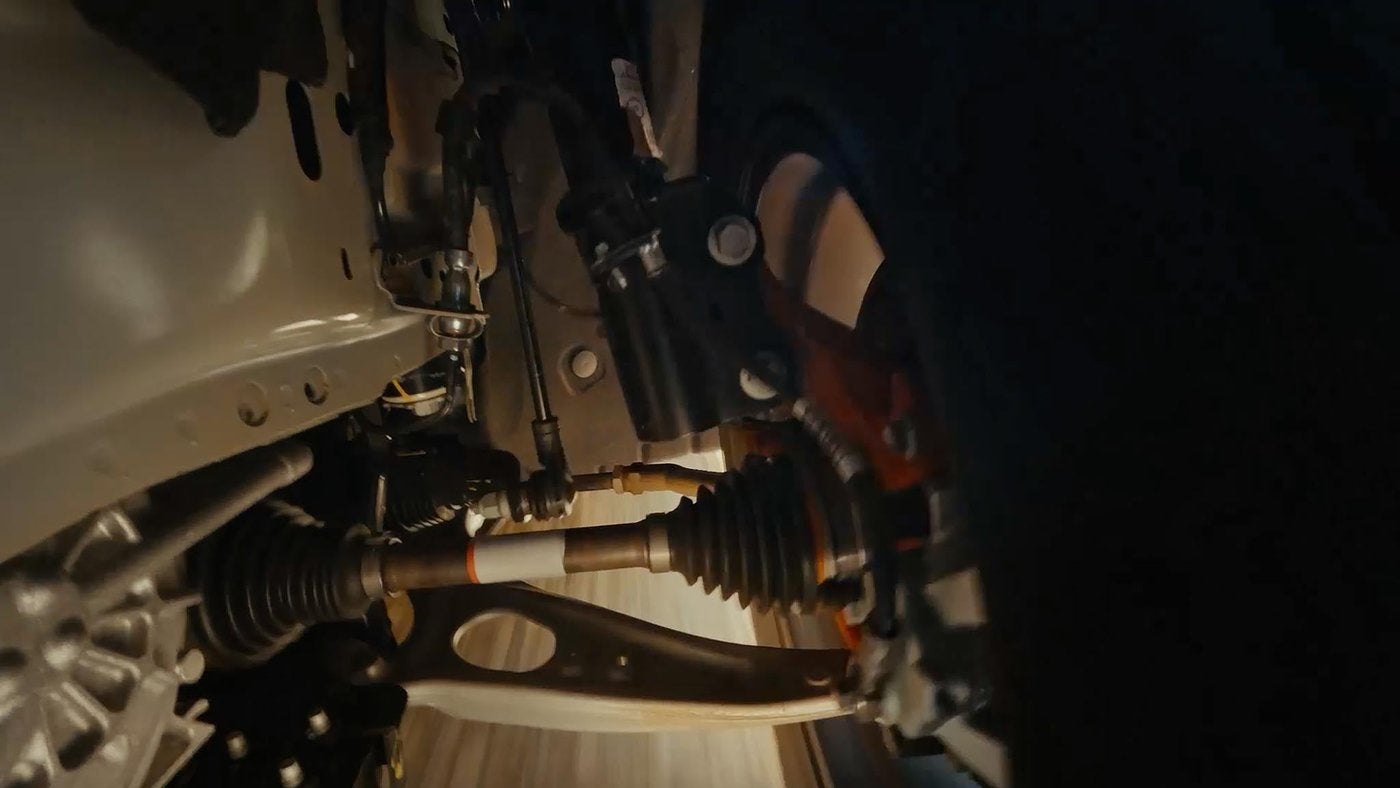
Washboard gravel shakes the front end thousands of times a mile. Over time that shows up in ball joints, tie rod ends, wheel bearings, shocks and the rubber boots that keep dirt out of joints. That is why Ford's dusty table calls for checking wheels and related components for noise, wear, looseness and drag.
Tires take the first hit. Sharp, broken gravel can cut tread and sidewalls, and a rock wedged in the tread can work its way in. Rotating on the dusty schedule keeps wear even, and a technician measuring tread depth will spot a cut before it becomes a flat on MO 32.
Do not wait on these
Clunks over bumps. A knock or clunk from the front end on rough roads can point to worn ball joints, tie rod ends or sway bar links. Have it inspected soon.
Steering wander or a loose feel. If the wheel feels vague or the truck drifts on a straight road, worn steering parts may be the cause, and that affects control.
Humming that changes with speed. A growl or hum that gets louder as you speed up can be a wheel bearing on its way out.
Cut or bulging sidewall. A sidewall bulge or deep cut means the tire can fail suddenly. Switch to the spare and get it replaced.
Schedule ServiceSee Service Specials
How Do You Protect Paint and the Underbody From Gravel?
Rock chips are part of the deal on gravel, but you can keep them from turning into rust. Touch up chips on the hood, rocker panels and behind the wheels before moisture gets under the paint. Keeping some distance from the truck ahead cuts down on thrown rocks more than anything else you can do.
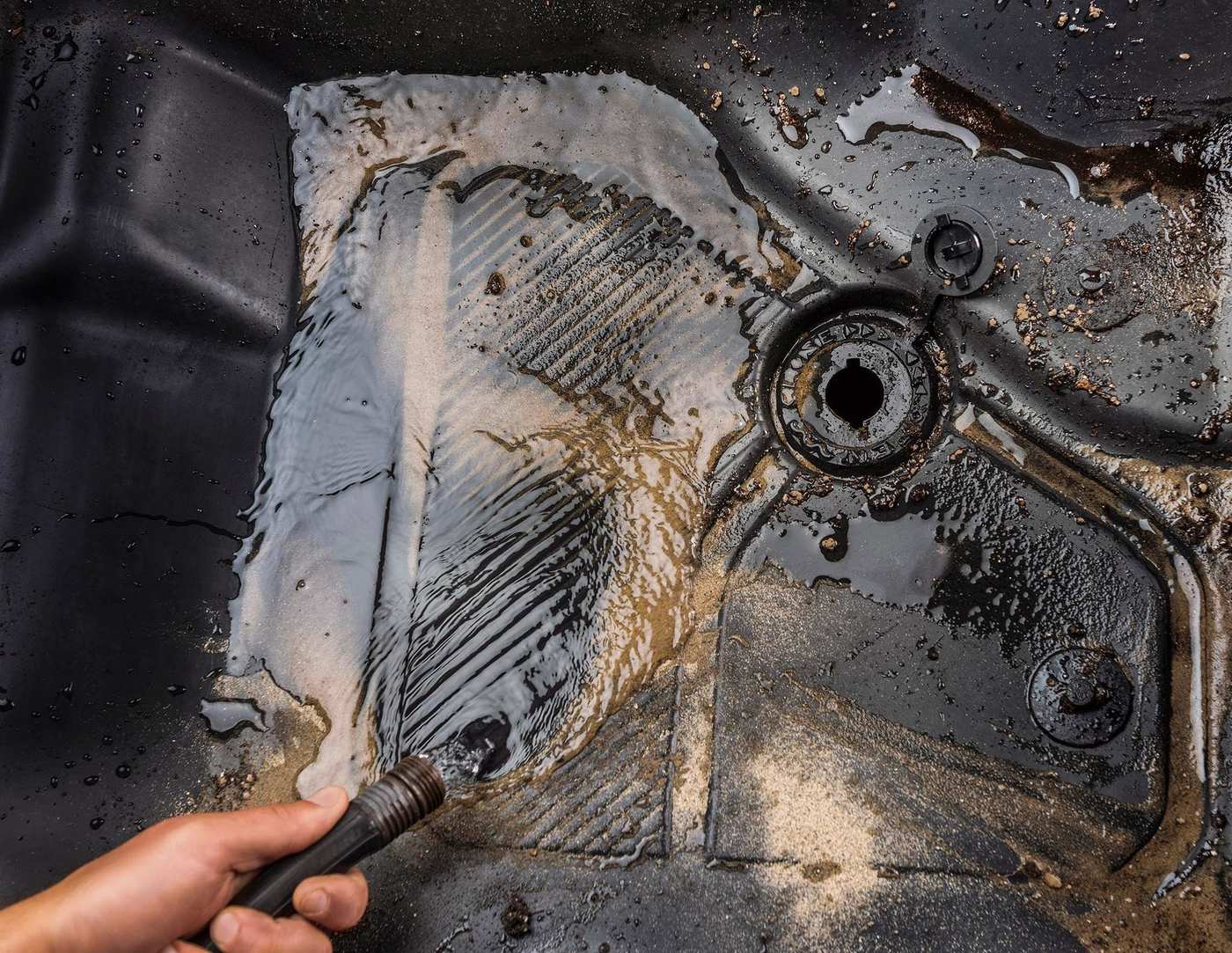
Underneath, dust and mud pack into frame rails, around brake lines and around the fuel tank shield. Mud holds moisture against metal. A rinse of the underbody and wheel wells every few weeks in summer, and after any muddy stretch, keeps it from building up. In winter the same rinse washes off road treatment.
When your Ford is on the lift for service, ask the technician to take a look underneath for packed mud, damaged shields or a brake line that took a rock. It takes a couple of minutes and catches problems you'd never see from the driveway.
What Happens When You Bring a Gravel Road Ford to Sam Scism Ford?
Tell the advisor how you drive. A truck that sees gravel every day gets a different conversation than one that lives on US 67. Our Ford trained technicians check the filters, rotate the tires, look over the suspension and steering, and give you a straight rundown of what is worn and what can wait.
Service hours are Monday through Friday, 8:00 AM to 5:00 PM, closed noon to 1:00 PM. The lounge has Wi-Fi and coffee, there's a courtesy shuttle, and loaner cars may be available depending on the work. Keep your receipts, because records of the customary maintenance are what keep Warranty Forever in force on vehicles that have it.
Book it your way
Schedule online, in the Ford app, or by phone at 573-430-1693. For filters, fluids and tire rotations, ask whether Ford Mobile Service can come to you.
Ford's Dusty Conditions Schedule
Does driving on gravel roads count as severe service for a Ford?
Ford lists dusty or sandy conditions as a special operating condition for vehicles driven mainly on unpaved or dusty roads. That table calls for more frequent filter, tire, wheel and oil service than the normal schedule.
Where do I find the dusty conditions schedule for my Ford?
It is in the scheduled maintenance section of your Owner's Manual under special operating conditions. The Ford app also shows maintenance reminders for your vehicle.
Should I change my oil more often on dirt roads?
Ford's dusty conditions table calls for oil and filter changes sooner than the normal interval. Your manual gives the exact mileage for your engine.
Air and Cabin Filters
How often should I replace my Ford engine air filter?
Ford's general range is every 15,000 to 30,000 miles depending on the model. Change it sooner if you drive dirt roads or see dirt and debris in the filter.
What are the signs of a dirty cabin air filter?
Weak airflow from the vents, windows that fog easily and a musty smell when the AC first comes on are the usual clues.
Can I replace my own Ford air filters?
On many Fords the engine and cabin filters are owner serviceable, and the steps are in your manual. Our parts department can match the right filter to your VIN.
Suspension, Steering and Tires
What front end parts wear faster on gravel?
Ball joints, tie rod ends, wheel bearings, shocks and the rubber boots that protect joints all take extra punishment from washboard roads.
How often should tires be rotated on a gravel road Ford?
Ford's dusty table calls for more frequent rotation along with tread depth checks. Follow the mileage in your manual or let us set it up at each visit.
Is a clunk over bumps something to worry about?
A front end clunk often points to worn suspension or steering parts. Get it inspected soon, since those parts affect how the vehicle steers and stops.
Paint and Underbody
How do I keep rock chips from rusting?
Touch up chips before moisture gets under the paint, and focus on the hood, rockers and the areas behind the wheels.
Should I wash the underside of my truck?
Rinsing the underbody and wheel wells every few weeks in summer and after muddy drives keeps packed mud from holding moisture against metal.
Can you check the underbody during service?
Ask while your Ford is on the lift and the technician can look for packed mud, damaged shields or a brake line that took a hit.
Scheduling and Coverage
How do I book service at Sam Scism Ford?
Schedule online, in the Ford app, or call 573-430-1693. We are at 5019 Flat River Road in Farmington.
Can Ford Mobile Service change filters at my house?
Ford Mobile Service lists fluids and filters, tire rotations and diagnostic scans among its jobs, depending on distance and availability. Call the service desk to see what fits your address.
Does gravel road driving affect Warranty Forever?
Warranty Forever asks you to follow the customary maintenance in your agreement and keep records. Driving gravel makes on time service even more important, so keep every receipt.